
Overview
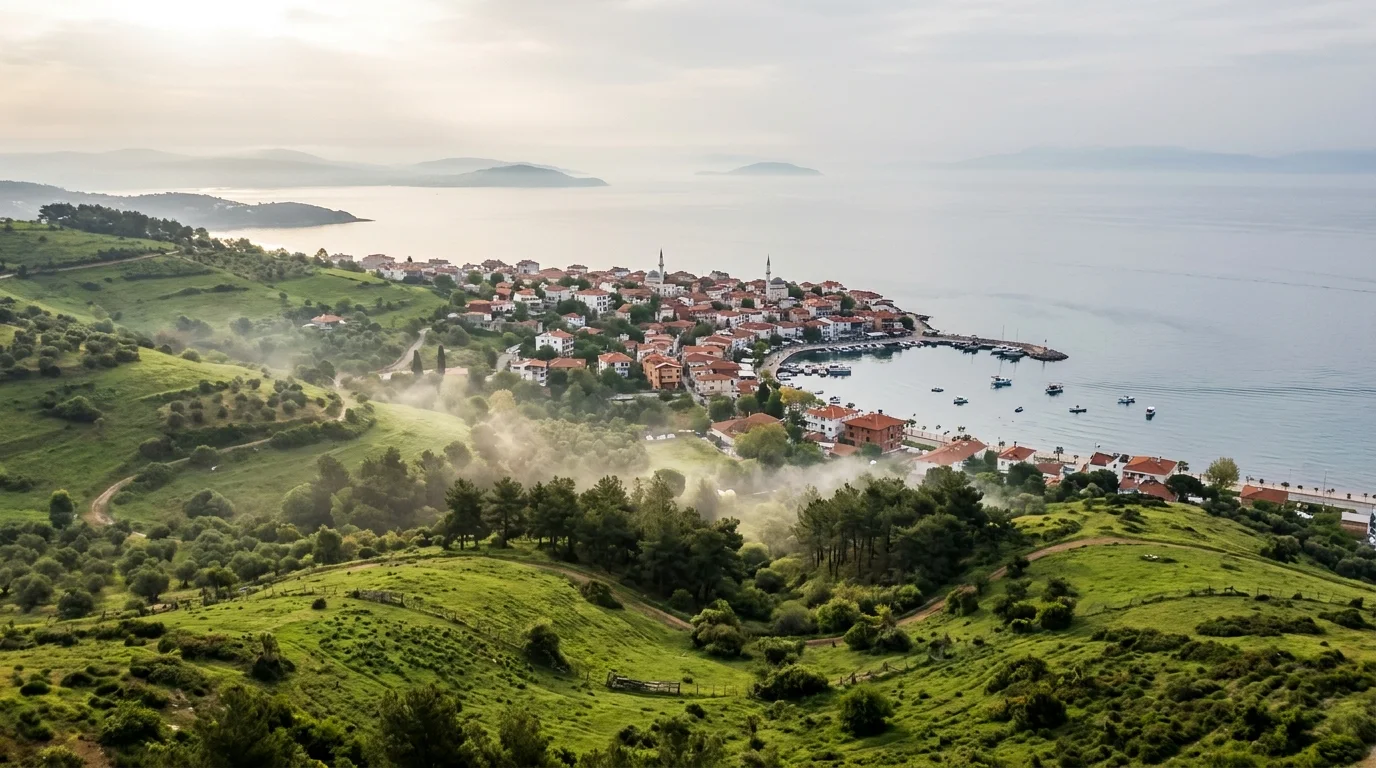
Çanakkale is a province in north-western Turkey (plate code 17) that spans both Europe and Asia. It covers 9,817 km2, has 12 districts and had a population of 559,383 in 2022. The European part is the Gallipoli peninsula and the Asian part largely corresponds to the historic region of Troad. The Dardanelles strait separates the two and links the Sea of Marmara with the Aegean Sea. The province takes its name from its main city, a travel and military hub since antiquity with about 144,000 residents in 2021 and a student population from Çanakkale Onsekiz Mart University.
The area has been inhabited for roughly 3,000 years and was known in ancient times as Hellespontos. Most of the territory was conquered by the Ottomans, who later took control of the strait. The province was created in the early Turkish Republic by abolishing the Ottoman sanjaks of Biga and Gelibolu.
Visitors come for the First World War Gallipoli battlefields and memorials, the archaeological site of Troy, the ancient site of Assos and the island of Bozcaada. Wikipedia also notes vineyards and winemaking, particularly between the Saros Gulf and Gelibolu.
Best time to visit
Çanakkale has a Mediterranean climate, with cooler, rainier winters and occasional snow. Summers are hot and dry, with highs around 30°C. Wikivoyage describes the city as famously very windy year-round. Spring, especially April and May, and autumn are the mildest and best times to visit.
Wind affects transport: ferries across the strait can be cancelled in strong winds, and southwesterly Lodos windstorms often stop crossings. 18 March is a date still celebrated in Turkey, marking the day in 1915 when the Allied fleet withdrew from its attack on the straits.
How to get there
- By road: The city is about 310 km from Istanbul. The 1915 Çanakkale Bridge, a suspension bridge across the Dardanelles, opened in March 2022 and closes to high-sided vehicles in strong winds.
- By bus: Buses from Istanbul take about 5 hours and run around the clock; from Ankara about 10 hours and from Izmir about 6 hours. The intercity bus station (Otogar) is about 5 km east of the centre, with frequent local buses into town.
- By ferry: Car ferries cross from Eceabat and Kilitbahir on the Gallipoli peninsula in about 15 to 25 minutes.
- By air: Çanakkale Airport (CKZ) is about 2 km south-east of the centre with limited service; Wikivoyage lists flights three days a week from Ankara taking about 75 minutes. A taxi is the simplest transfer.
Main places to see
Troy. The ancient city lies about 30 km south of Çanakkale, near the village of Tevfikiye, and is the site traditionally linked to the Trojan War. It has a museum and a replica wooden horse. The official culture and tourism directorate lists the Troy archaeological site among the province’s places to visit.
Gallipoli campaign sites. Allied navies attacked the straits in March 1915 but were repulsed by minefields and artillery, and landings on the Gallipoli peninsula began on 25 April 1915. The campaign stalled and the Allies evacuated after nearly a year. The landing sites and memorials lie across the strait, including Anzac Cove, the Çanakkale Martyrs’ Memorial, the 57th Regiment Martyrs’ Cemetery near Eceabat and the Monument of Respect to Mehmetçik.
Çimenlik Castle and the Naval Museum. Çimenlik Castle was built in 1452 to command the straits and is the centre of the Naval Museum, which has boats, artefacts and a replica of the minelayer Nusret.
Trojan Horse. A large prop from the 2004 film Troy, displayed by the ferry pier.
Kilitbahir Castle. Listed by the official directorate among the province’s sites, on the Gallipoli side of the strait.
Assos (Behramkale). The ruins of the Temple of Athena in Assos and the ancient harbour are listed among the notable sights of the province.
Bozcaada. An island in the province listed on the official tourism site, which also mentions its grape harvest events.
Other sights. The Apollo Smintheion archaeological site, the Yenice Ethnography Museum, Mihlı Waterfall near Bayramiç, the Gelibolu Mevlevi Lodge, the War History Museum in the shore fortifications, the Ceramics Museum in an old hammam, Necip Paşa Mosque and Radar Hill for views over the town.
Getting around
- On foot: Most central sights in Çanakkale city are within walking distance.
- Dolmuş: Shared minibuses run towards the War History Museum and the southern beach strip.
- Car rental: Available near the ferry pier, and a car is useful for the peninsula.
- Tours: Wikivoyage says tours are the easiest way to reach Troy and the Gallipoli memorials without your own car.
- Ferries: The Eceabat and Kilitbahir crossings link the city with the Gallipoli peninsula.
Practical tips for visitors
- Ferries can be suspended in bad weather, so keep your plans flexible and check the day’s sailings.
- Most museums close on Mondays and hours vary, so check before visiting.
- The Wikivoyage article notes that the city tourist office has closed, so plan using travel agents or online resources.
- Swimming across the Dardanelles is dangerous because of strong currents and shipping lanes.
- Local specialities include bomba, a döner in bread with an omelette, and peynir helvası, a cheese dessert.
- Memorials and cemeteries on the peninsula are places of remembrance, so dress and behave respectfully.
- Allow a full day for Troy or the Gallipoli sites; both are outside the city.
- Plate code
- 17
- Best season
- Spring (April and May) and autumn
