
Overview
Kayseri is a province and metropolitan municipality in central Turkey (plate code 38). It covers about 16,970 km2, has 16 districts and had a population of 1,441,523 in 2022. It borders Sivas, Adana, Niğde, Kahramanmaraş, Yozgat and Nevşehir. The city of Kayseri is the seat and, according to Wikivoyage, an industrial city of about 1.2 million people in 2021, roughly 350 km south-east of Ankara, known for trades such as furniture and home to a university.
The province roughly corresponds to ancient Cappadocia. Wikipedia records that it was sacked by Tigranes I of Armenia in the 1st century BCE, conquered by Danishmend Gazi in 1084 and developed by the Seljuks, and notes that the Ottoman architect Mimar Sinan came from Kayseri. The province also has a significant Circassian population, and TURKSOY selected Kayseri as the Cultural Capital of the Turkic World for 2027.
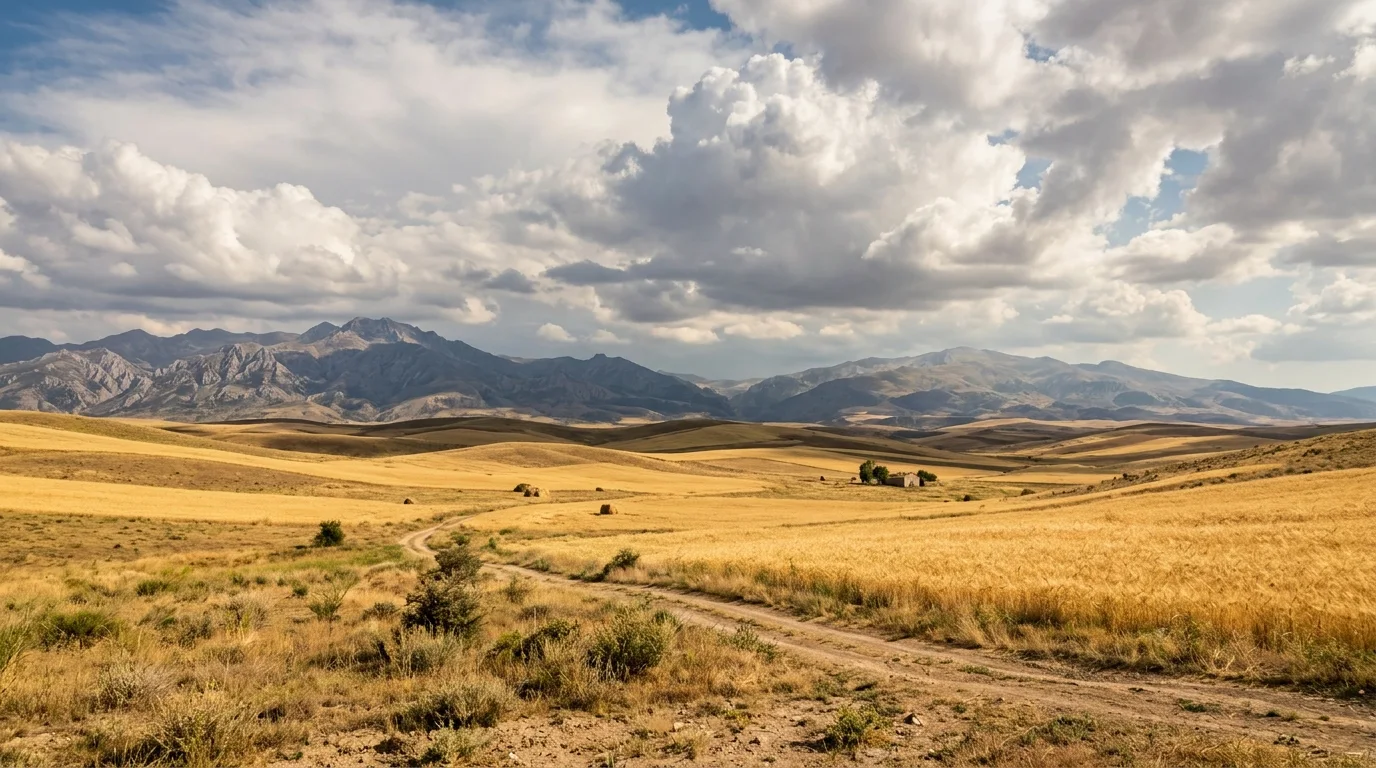
Many visitors pass through on the way to Cappadocia, but Wikivoyage points out that the city’s Seljuk and Ottoman monuments are its main draw. The province is surrounded by Mount Erciyes (3,916 m), Mount Hasan and Mount Ali.
Best time to visit
Wikivoyage includes a monthly temperature and precipitation chart but gives no explicit advice on the best time to visit, and Wikipedia’s province article does not discuss climate. Mount Erciyes, 15 km south of town, has skiing in winter, although lift capacity is limited and lines can be long. In summer the lifts give access to mountain trails.
How to get there
- By air: Kayseri Erkilet Airport (ASR) is 5 km north of the centre. Turkish Airlines and Pegasus fly from Istanbul and Sun Express serves several Turkish cities. Buses 101 and 271 run downtown about every 30 minutes.
- By train: Trains from Ankara take about 7 hours, about three a day, and Kayseri Garı is on Kocasinan Boulevard. A high-speed line was under construction, with a new station planned about 10 km north of the city.
- By bus: Hourly buses run from Ankara in about 5 hours. The bus terminal is 6 km north-west of the centre.
Main places to see
Kayseri Castle. First documented around 240 AD, with the surviving citadel dating from the 15th century. It houses the Archaeology Museum, which focuses on Neolithic and Hittite culture; the official directorate names the Kayseri Archaeology Museum as its museum.
Ulu Camii (Great Mosque). A 13th-century mosque beside the bazaar.
Hunat Hatun Complex. A 13th-century mosque, tomb, madrasa and hammam complex that is still in use.
Çifte Medrese. Two adjoining 12th-century complexes facing the castle. Kurşunlu Mosque within them was built in 1573 by Mimar Sinan, according to Wikivoyage. Wikipedia mentions the Şifahane, a hospital built in honour of Gevher Nesibe Hatun and completed in 1206.
Tomb of Zeynel Abidin. Built in 1886 over a 15th-century grave.
Döner Kümbet. A pepperpot-style tomb in the Seyid Burhanettin cemetery.
Seljuk Civilisation Museum. Interactive and suitable for children.
Mount Erciyes. An extinct volcano at 3,916 m with a ski area and cable car, listed on the official site.
Sultan Marsh National Park. A protected wetland listed on the official site, together with Hürmetçi Marsh.
Soğanlı village and Erdemli Valley. In Yeşilhisar district, listed on the official site.
Other sights. The official directorate also lists Talas, the Old Kayseri neighbourhood, the Kapuzbaşı waterfalls and wild horses (Yılkı Atları).
Getting around
- Trams: The municipality runs trams and buses. T1 runs along Sivas Boulevard, T2 links Talas to Republic Square and T3 serves the bus terminal and the new station area.
- Tickets: Tickets must be bought beforehand from kiosks, and a smart card, Kart38, offers reduced fares.
- Rail system: Wikipedia refers to the Kayseray rail system for in-city transit.
- Mountain and countryside: The Erciyes ski area and sights such as Soğanlı are outside the city, so allow time for transfers.
Practical tips for visitors
- The bus terminal is cold in winter, and a shopping centre 200 m west offers more choice.
- Kayseri is known for pastırma (cured beef) and İskender kebap. Pastırma may not be allowed through customs in many countries.
- Handwoven carpets are the main souvenir.
- 4G coverage is available from all Turkish carriers.
- Some churches and sites are closed, so check opening status before visiting.
- Winter brings cold weather and snow, so dress warmly if you plan to ski on Erciyes.
- Plate code
- 38
