
Overview
Konya is a province and metropolitan municipality in south-west Central Anatolia, Turkey (plate code 42). It covers 40,838 km2, is divided into 31 districts and had a population of 2,296,347 in 2022. Three of the districts, Meram, Selçuklu and Karatay, form part of Konya city, which is the provincial capital.
The city is known for the whirling dervishes and for its Seljuk architecture. It was the capital of the Sultanate of Rum from the late 11th century, the poet Rumi settled there in the early 13th century, and the Ottomans ruled from 1420. The metropolitan area had about 2.28 million people in 2021, but the main sights are compact and mostly lie within about 1 km of each other.
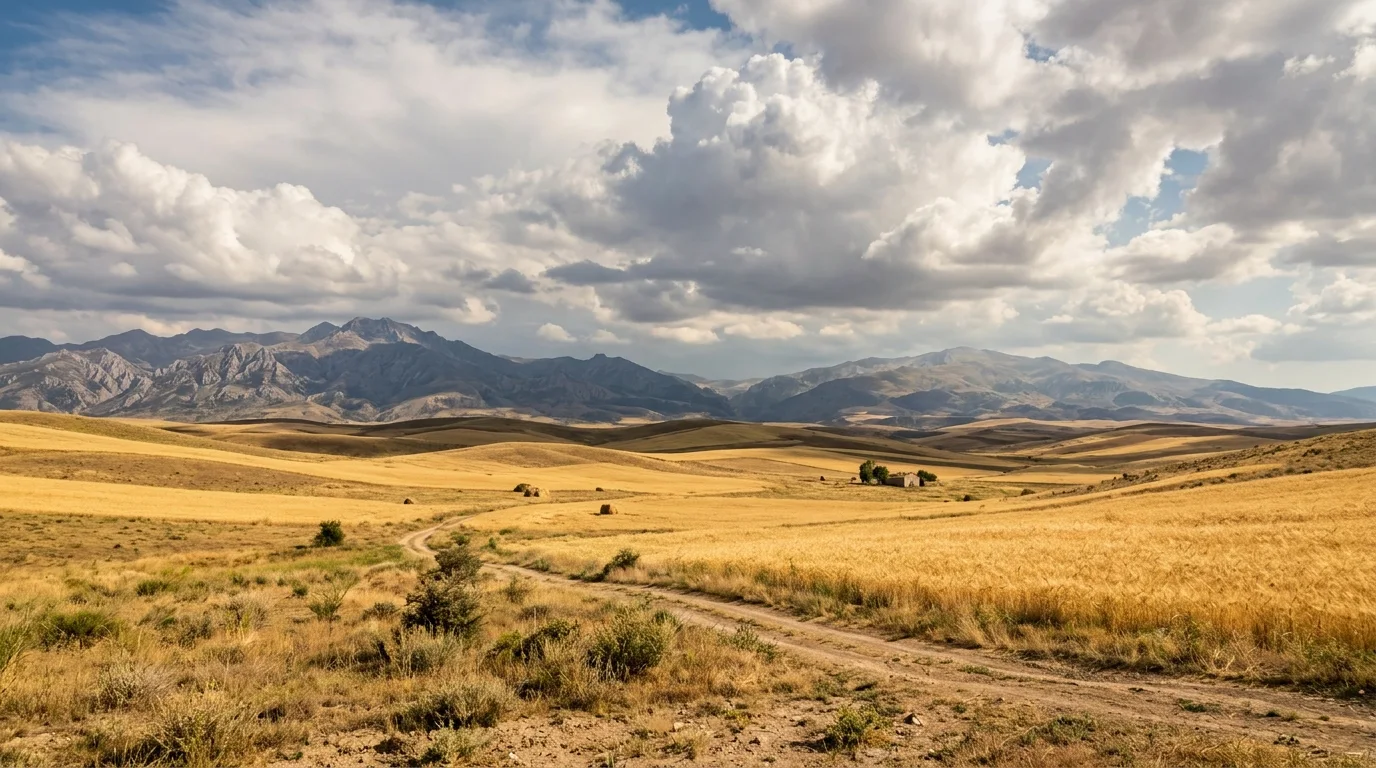
The wider province includes Lake Tuz, which supplies much of the country’s salt, and Lake Beyşehir on the western side, a freshwater lake lying within a national park. Wikipedia also notes several caves in the province, including Balatini, Büyü Düden, Körükini and Tınaztepe, and the Derebucak Çamlık Caves National Park.
Best time to visit
Konya has an inland continental climate, with hot, dry summers and cold, snowy winters when temperatures can drop towards -18°C. The city sits at about 1,016 m, so summer nights can be chilly even though days are hot. Spring brings heavy showers and sometimes violent thunderstorms. Autumn is mostly dry and cool to mild, and Wikivoyage suggests it is likely the most comfortable time to visit.
The Wikipedia article for the province shows a mixture of climate zones, including cold semi-arid, hot-summer Mediterranean, warm-summer Mediterranean and humid continental, which reflects how much the weather varies across such a large province.
How to get there
- By air: Konya Airport (KYA) is 18 km north of the city, with about three flights a day from each Istanbul airport. Havaş buses run to downtown in about 40 minutes but only meet certain flights, and city buses 34, 54 and 111 pass within 500 m of the airport. Winter fog can ground flights.
- By train: High-speed (YHT) trains run from Istanbul (about 4 hours 45 minutes) and Ankara (about 1 hour 45 minutes). Other services include the Toros Express from Adana and an overnight train from Izmir. There are two stations: the older Konya station, 2.5 km south-west of downtown, and the Selçuklu YHT station, 4 km north, which opened in 2020 and is where all YHT trains stop.
- By bus: The intercity bus terminal is 7 km north of the centre and is reached by tram or dolmuş in about 30 minutes. Routes include Istanbul (about 11 hours), Ankara (about 4 hours) and Cappadocia (about 3.5 hours to Göreme). Operators are clustered along Mevlana Caddesi, where booking ahead is advisable.
Main places to see
Mevlana Museum. The mausoleum of Rumi and a museum of his life and era. Sema (whirling dervish) ceremonies are held at the nearby Mevlana Cultural Centre, traditionally on Saturday evenings, with tickets sold online. The official Konya culture and tourism directorate website also announces the annual Şeb-i Arûs ceremony programme.
Selimiye Mosque. An Ottoman mosque completed in 1567, next to the Mevlana Museum.
İplikçi Mosque. A brick Seljuk mosque built in 1202 and later expanded and rebuilt.
Alaaddin Hill and Alâeddin Mosque. An artificial hill with a mosque and the mausoleums of sultans; remains of a Seljuk palace lie on its northern flank.
İnce Minare Museum. A seminary built in 1265 and named for its slender minaret. A lightning strike in 1901 toppled the original minaret, and the rebuilt one is much shorter.
Karatay Madrasa Museum. A madrasa built in 1251 that now displays Seljuk tiles.
Sahib-i Ata Mosque. Completed in 1283, with an adjoining museum of Seljuk art.
Konya Archaeological Museum. Displays regional finds, including carved sarcophagi and material from Çatalhöyük.
Çatalhöyük. An archaeological site in the province, named by Wikipedia among its notable sights.
Sille. A village about 11 km north-west of the city with Greek heritage, rock-cut churches, a stream running through the village and the Church of Michael the Archangel.
Getting around
- On foot: The central sights are walkable, mostly within about 1 km of one another.
- Trams: Trams run from 06:00 to midnight on two lines that loop around Alaaddin Hill, and also link to the north of the city, including the bus terminal.
- KonyaKart: Trams and public buses require a KonyaKart, bought at major stations and some tram stops. Cash is not accepted on board.
- Dolmuş and taxis: Dolmuş minibuses also serve the bus terminal. Wikivoyage warns of occasional overcharging by taxi drivers and traders, so agree or check the fare method before you set off.
Practical tips for visitors
- Konya is a conservative city. Modest dress is expected, women commonly wear headscarves, and beachwear draws attention.
- Few locals speak English, although people are described as hospitable. A translation app is useful.
- Nightlife is limited: some cafés serve beer, but there are few bars.
- Mobile coverage is good in the centre, with 4G from all carriers and 5G mainly in the city centre, and free Wi-Fi is available downtown.
- Museum hours and closures change, and Wikivoyage noted several closures as of late 2023, so check before visiting.
- Mosques and the Mevlana Museum are places of worship and pilgrimage, so follow signs and staff instructions.
- For Sema ceremonies, book tickets online in advance and confirm the current schedule.
- The Konya culture and tourism directorate publishes a tourism map and brochures in several languages, which can help with planning.
- Plate code
- 42
- Best season
- Autumn (mostly dry, cool to mild)
