
Overview
Eskişehir is a province in north-western Turkey (plate code 26). Wikipedia gives its area as 13,960 km2 and its population as 906,617 in 2022, in 14 districts. The city of Eskişehir lies in the Odunpazarı and Tepebaşı districts. Adjacent provinces are Bilecik to the north-west, Kütahya to the west, Afyon to the south-west, Konya to the south, Ankara to the east and Bolu to the north. Wikipedia says the main part of the province lies in the Central Anatolia Region, while the northern parts of Mihalıççık, Mihalgazi and Sarıcakaya are in the Black Sea Region and one district belongs to the Aegean Region. Wikivoyage, however, describes the city as being in Western Anatolia.
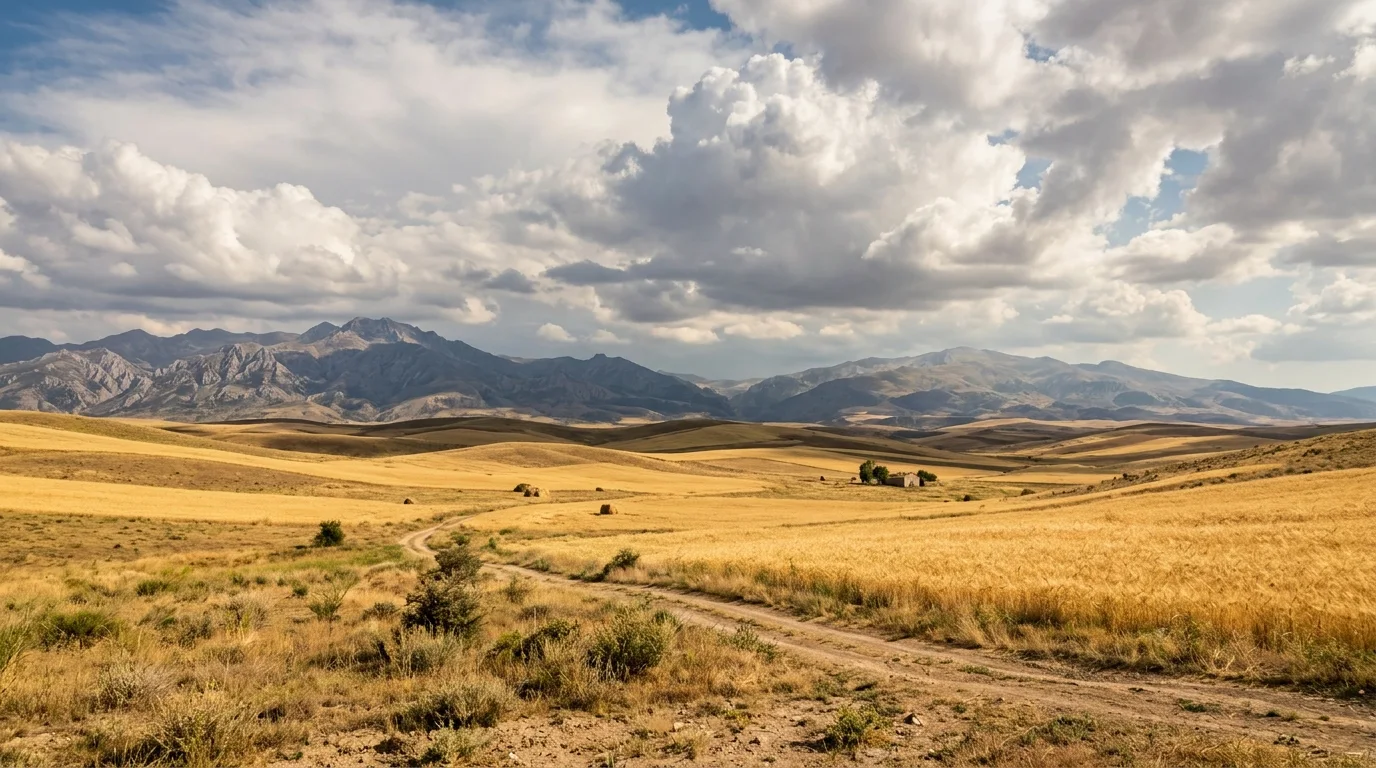
The geographical features listed include the Porsuk River, the Sakarya River and the Gürleyik Waterfall. The climate is classified as cold semi-arid steppe (Köppen BSk), with warm to hot dry summers and cold to freezing winters. Wikipedia says the area was a major settlement region for descendants of the early Ottoman founders about 1,000 years ago. Archaeological finds at the Early Bronze Age settlement of Küllüoba include two skeletons from a shared sarcophagus (announced August 2019), a roughly 5,000-year-old stone paint palette (August 2020) and a marble sarcophagus (March 2021). Dorylaeum is also listed as an archaeological site.
Wikivoyage describes the city as 228 km west of Ankara, with a population of 898,369 in 2021. The name means “old town”, but the old quarter, Odunpazarı, is compact, and the larger part of the city is newer, centred on the Köprübaşı bridge over the Porsuk River. Three large universities (Anadolu, Eskişehir Technical and Osmangazi) have about 90,000 students, roughly 10% of the population. The page says the city has a progressive, liberal character and that younger residents often speak English and other major European languages well.
The official culture and tourism directorate site (eskisehir.ktb.gov.tr) could not be reached during this research; the connection was refused, so no Turkish official source is cited for this province.
Best time to visit
The sources do not recommend a season. Wikivoyage describes the climate as semi-arid and continental, with hot, dry summers and cold, snowy winters; autumn and spring are mostly mild, though spring has a short storm season. Wikipedia gives a Köppen classification of BSk with warm to hot dry summers and cold to freezing winters.
How to get there
- By air: Wikivoyage says Istanbul Sabiha Gökçen (SAW) is convenient: a taxi or bus covers about 10 km to Pendik station, then a train goes to Eskişehir. Hasan Polatkan Airport (AOE), 6 km north, has only seasonal flights, mainly to Brussels, with no domestic flights or public transport. Wikipedia lists Anadolu Airport and Eskişehir Airport among the province’s transport facilities. At Hasan Polatkan you are not admitted to the terminal until just before boarding.
- By train: Eskişehir is on the high-speed (YHT) network. From Istanbul trains take about 3 hours, and from Ankara and Konya about 90 minutes. The station is 3 km north-west of downtown. Wikipedia also mentions the Eskişehir to Afyon regional line.
- By bus: From Istanbul buses take 5 to 6 hours and run roughly hourly; from Bursa 2 hours 15 minutes; from Antalya, Izmir and Adana 7, 7 and 10 hours. The bus station is 3 km north-east of the centre.
- By road: The city is 335 km south-east of Istanbul and 144 km east of Bursa.
Main places to see
Odunpazarı old town and Kurşunlu Mosque. The Kurşunlu Mosque complex was completed in 1525 and takes its name from its leaded roof; it now houses craft workshops. Old-town sights are within walking distance around it.
Alaeddin Mosque. Built in 1267 in Seljuk style, though later renovations altered it.
Odunpazarı Modern Museum. Modern art in a building of sustainably harvested wood.
Meerschaum Museum. Covers meerschaum, mined in Eskişehir Province and used for tobacco pipes.
ETI Archaeology Museum. Local history from the Stone Ages to the Byzantine era.
Türasaş Museum. Holds the only surviving Devrim, Turkey’s first domestically produced car, from 1961. Only four prototypes were made.
Atatürk House. The mansion where Atatürk spent one night.
Sazova Park. A leisure complex with a zoo, aquarium, science centre and miniature railway. The Noah’s Ark attraction was closed and derelict in 2024, according to Wikivoyage.
Karacahisar Castle. A Byzantine hilltop fortress built or rebuilt around 1175 and captured by the Ottomans in 1288, 10 km south-west.
Seyyid Battal Gazi Complex. A Seljuk-built religious complex in Seyitgazi, 40 km south of Eskişehir.
Yazılıkaya and the Phrygian Valley. Rock-cut reliefs including the Midas Throne, dated to the 7th century BC, with many Phrygian tombs. Wikipedia names the Midas Tomb and fairy chimney formations at Yazılıkaya.
Sivrihisar. Wikipedia lists the Sivrihisar Grand Mosque, the Holy Trinity Church and the Airplane Monument.
Getting around
Wikivoyage says old-town sights are within walking distance of each other around the Kurşunlu Mosque. Tram Line 1 runs from the bus station through the old town and the centre to the railway station, and other lines serve the universities and suburbs. Dolmuş minibuses and public buses cover the rest of the city. Horse-drawn fayton carriages operate in the city. Taxis can be hailed by pressing button-like switches found on main streets. Outlying sights such as Karacahisar, Seyitgazi and Yazılıkaya are outside the city, and the page does not describe public transport to them.
Practical tips for visitors
- Credit cards are accepted in most places and there are many ATMs, according to Wikivoyage.
- Hamams are in the streets around Çarşı Mosque, with separate sections for women and men.
- Plan for the lack of public transport and facilities at Hasan Polatkan Airport.
- Check whether attractions such as the Sazova Noah’s Ark are open; the page records it as closed in 2024.
- Wikivoyage mentions Love Island, a small, modest spot in the Porsuk River visited by couples.
- Dress for cold in winter, since the climate sources describe cold to freezing winters.
- Opening and service details come from Wikivoyage and may have changed.
Source notes
The official site (eskisehir.ktb.gov.tr) returned connection errors. The sources differ on the region: Wikipedia places the main part of the province in Central Anatolia, whereas Wikivoyage places the city in Western Anatolia. Wikipedia lists “Anadolu Airport and Eskişehir Airport”, while Wikivoyage names only Hasan Polatkan Airport.
- Plate code
- 26
