
Overview
Aksaray is a province in Central Anatolia (plate code 68) and one of four provinces in Cappadocia, along with Nevşehir, Niğde and Kayseri. Wikipedia gives its area as 7,659 km2, with eight districts, and a population of 439,474 in 2024. It neighbours Konya, Ankara, Niğde, Nevşehir and Kırşehir.
The name Aksaray means “White Palace” in Turkish. In antiquity the area was called Archelais Garsaura, then Taksara in the Seljuk era. Wikipedia says the Aşıklı Höyük mound at Kızılkaya points to a settlement dating to about 5,000 BC, and that the Silk Road passed through the area. The official provincial site adds that Aşıklı Höyük and Musular in Gülağaç district show settlement about 10,000 years ago, that Güzelyurt (formerly Gelveri) sits on a major Neolithic settlement of about 6500 to 5000 BC, and that Eskil’s history reaches back to the Early Bronze Age.
Wikivoyage describes the city of Aksaray as an industrial town on the historic Silk Road, about 240 km southeast of Ankara and roughly 50 km west of Cappadocia, with 247,147 people in 2021. It says the town sees few tourists. Its history includes Seljuk, Karamanid and Ottoman rule (the Ottomans took it in 1470) and a past as a centre of salt harvesting from the nearby salt lake.
Best time to visit
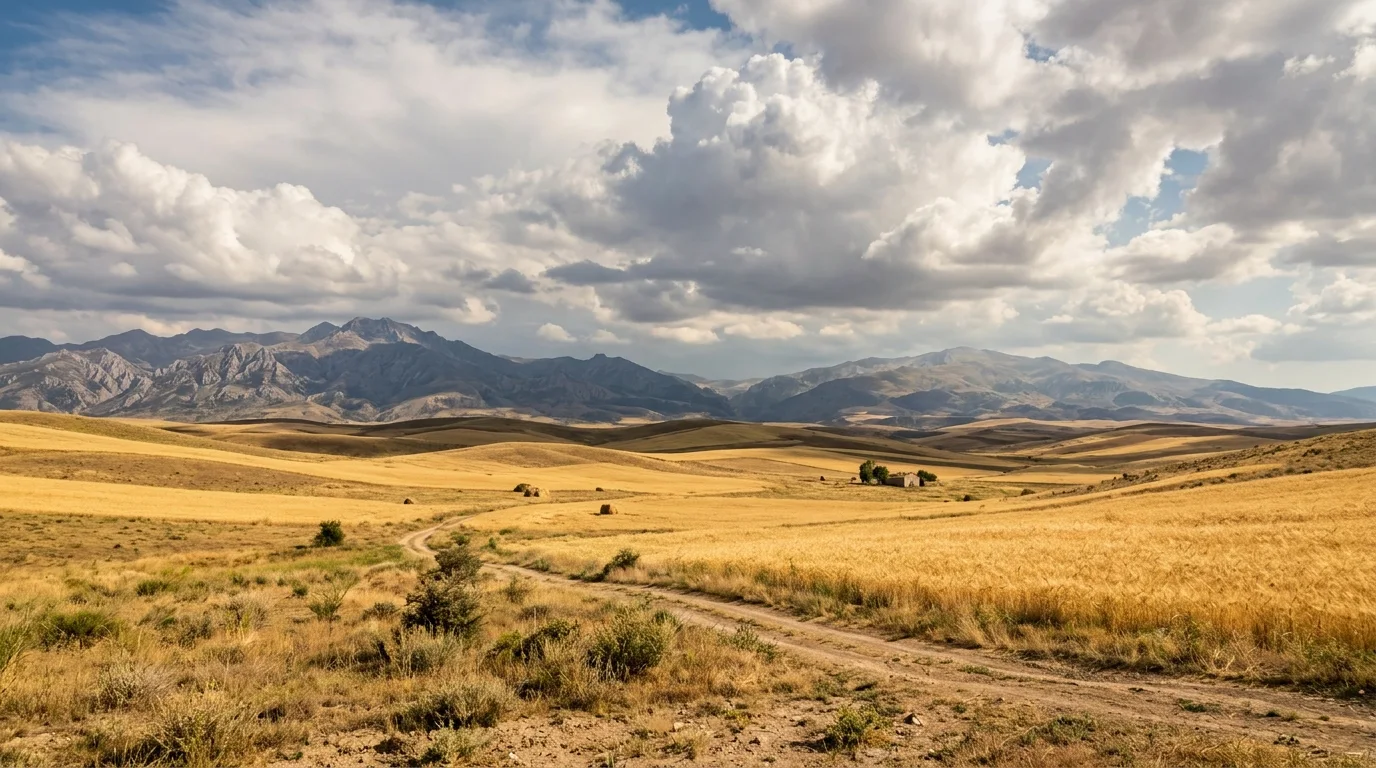
No source names a best season for the whole province. Wikipedia says summers are hot and dry on the plain, and in spring the area is green and covered in flowers when water runs off the mountainside. Wikivoyage says Lake Tuz is best visited in early summer when there is shallow water to walk in, and that it dries out completely in summer. Migratory birds pass through in spring and autumn, and Mount Hasan can have strong, cold winds and snow underfoot.
How to get there
- By bus: According to Wikivoyage the main bus station is 4 km west of the town. Buses run hourly or so from Istanbul (about 10 hours) and from Ankara (about 3.5 hours), and about hourly from İzmir via Konya (about 2 hours from Konya).
- By road: From Istanbul, head east past Ankara on the O-21 and exit at Acıkuyu onto the D757/D750.
- By train: There is no rail service to Aksaray; fast trains run between Istanbul, Ankara and Konya.
- Air: Airports are not described in the fetched sources.
Main places to see
Ihlara Valley. Wikipedia says the canyon is about 15 km long and up to 150 m deep, carved by the Melendiz River, and holds around 50 rock-hewn Christian churches. A stairway of almost 400 steps descends more than 100 m into the canyon at the north end of the village of Ihlara. The valley runs between Ihlara and Selime.
Selime Cathedral and Güzelyurt. Listed by Wikipedia and shown on the official site, along with a church-mosque in Güzelyurt, Kızıl Kilise and the Analipsis hill church.
Sultan Han. Wikivoyage describes a Seljuk caravanserai of 1229 about 40 km west of the city.
Mount Hasan. A dormant twin-peaked volcano about 30 km south of the city according to Wikivoyage, with a moderate summit ascent and a 4WD track to the trailhead; Wikipedia describes it as a 3,000-metre volcano between Aksaray and Niğde.
Lake Tuz (Salt Lake). Wikipedia describes a salt lake with a maximum depth of 1 m, which Wikivoyage says can be walked on when seasonal. Access is from points along the D750.
Aksaray city sights. The Grand Mosque (Ulu Camii) of 1408, Zinciriye Medrese of 1336, the Red Mosque (Eğri Minare) of 1306 with a minaret that leans just over 3 degrees, 12th-century Kılıçaslan baths under restoration, and the Aksaray Museum.
Çanlı Kilise. A ruined 10th or 11th century Byzantine church in a cliffside village about 15 km south, according to Wikivoyage.
Other places. Ağzıkara Han caravanserai, whose access has been closed for years; Acemhöyük, an archaeological site with little to see on site; and Kaman, known for walnuts, and Çağırkan, which has a Japanese garden and museum.
Getting around
Wikivoyage suggests renting a car to see the province and advises checking ratings. Dolmuş minibuses leave from Eski Garaj on Atatürk Boulevard in the town centre, and local services to Güzelyurt are listed. Outside the city, the guide says hitchhiking is possible.
Practical tips for visitors
- Do not stop on the busy D750 when visiting Lake Tuz. Wear good shoes and sunglasses because the glare from the salt is intense.
- Mount Hasan requires preparation for cold wind and snow.
- At Altuğlar, expect souvenir kiosks and paid services.
- Wikivoyage says the bus station is modern but has limited facilities.
- Mobile coverage: 4G from all Turkish carriers is reported.
- For the Ihlara Valley, allow time for the descent, since the stairway has almost 400 steps.
- Plate code
- 68
