
Overview
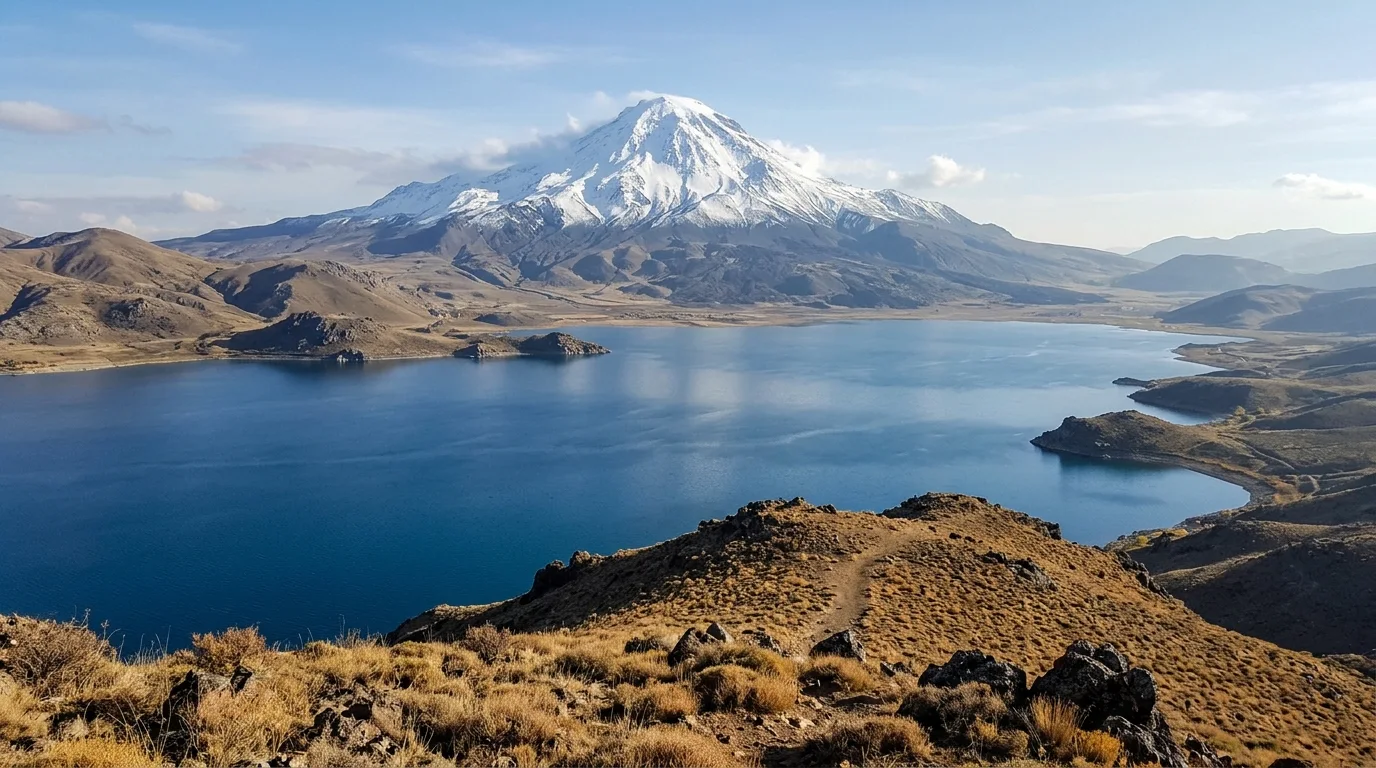
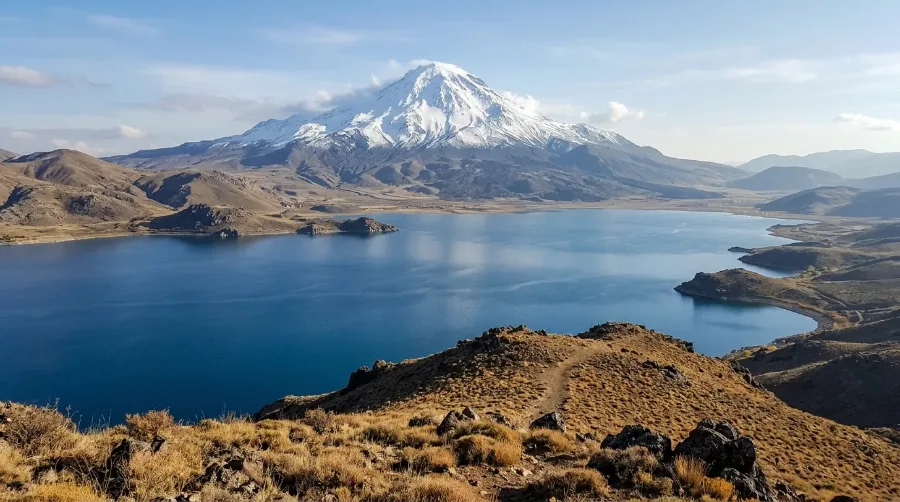
Van is a province in the Eastern Anatolia region of Turkey (plate code 65), between Lake Van and the Iranian border. It covers 20,921 km2, has 13 districts and had a population of 1,128,749 in 2022, of whom 525,016 lived in the capital. Neighbouring provinces are Bitlis, Siirt, Şırnak, Hakkâri and Ağrı. Wikipedia lists lakes including Turna, Gövelek, Hıdırmenteş, Akgöl, Erçek and Süphan, and mountains including Artos, Erek, Tendürek, Meydan and Girekol.
The city of Van lies on the eastern shore of Lake Van, a soda-salt lake at about 1,640 m. The area was the centre of the Urartian kingdom from the 9th century BC and a major Armenian population centre. The Seljuk Turks won the Battle of Malazgirt in 1071. According to Wikivoyage, the old walled city was devastated in World War I and later destroyed by earthquakes, and the modern city sits about 5 km east of the original site. Wikipedia says the province was under a state of emergency (OHAL) from July 1987 to July 2000.
Highlights include the castle on its bluff, Urartian fortresses, the Armenian church on Akdamar Island and the countryside around the lake.
Best time to visit
Wikivoyage does not give a best-time recommendation. It describes a harsh continental climate around the lake. Winter brings snow to the highways, and the Muradiye Falls can freeze in harsh winters. Wikipedia’s province article has no climate section.
Because the region sits on an active tectonic boundary, Wikivoyage says earthquakes are not uncommon, and Wikipedia records major earthquakes in the province in 2011. This guide gives no information on current damage or reopening status of any site. Wikivoyage notes that the Ktuts Monastery is reached by a summer boat trip and that a liturgy is held on Akdamar Island in early September.
How to get there
- By air: As of Wikivoyage’s November 2025 listings, Van Ferit Melen Airport (VAN) is about 5 km from the centre with daily flights from Istanbul, Ankara, Adana and Izmir. Taxis wait outside arrivals, and dolmuşes marked Hava Alanı leave from near Hotel Akdamar and take about 15 minutes.
- By bus: Van Otogarı is about 3 km north-west of town. Buses run from Ankara (about 19 hours) and Istanbul (about 25 hours). Dolmuşes run from Tatvan (about 2 hours) and Doğubayazıt (about 4 hours). Wikivoyage says a direct Mardin bus is unreliable and that changing at Diyarbakır is often easier.
- By train: Van Garı is about 1 km north of the bus station. Wikivoyage (November 2025) says trains from Iran resumed in 2025, with connections via Tatvan where you can cross the lake by ferry; confirm current service with the operator.
- By ferry: Ferries from Tatvan sail infrequently and irregularly, taking about 4 hours.
Main places to see
Van Castle. A fortress on a bluff of about 100 m with views over the town and lake. Wikivoyage advises against the unmarked shortcut up the bluff.
Van Museum (Archaeology and Ethnography). Near the castle entrance, with an Urartian collection and English signage.
Akdamar Island. Reached by dolmuş to Gevaş and then by ferry. Its Church of the Holy Cross is the remnant of a 10th-century Armenian complex, with faded frescoes and rock-cut exterior reliefs.
Hoşap Castle. A castle of 1643 on an outcrop, with a stone bridge of 1671. Wikivoyage’s November 2025 listing marked it as temporarily closed; its current status is unknown, so check before visiting.
Muradiye Waterfalls. North of town, about 40 m wide, dropping about 20 m over a basalt cliff.
Çavuştepe. An 8th-century BC Urartian acropolis with cuneiform inscriptions and no signage.
Other sights. Tuşpa (the Urartian capital site), the Meher Kapı carved shrine, Ktuts Monastery, the Vanadokya fairy chimneys and the Devil’s Bridge. The official directorate also names Ayanis Castle, Altınsaç Church, the Başkale travertines and Artos Mountain, where it mentions paragliding.
Getting around
- Dolmuşes and taxis: These cover anywhere beyond walking distance. For the castle, take a dolmuş signed Kale.
- Cash: Dolmuş drivers seldom accept bank cards, so carry cash.
- Day trips: Sights such as Çavuştepe, Hoşap and Muradiye are outside the city and need a hired car, taxi or tour.
- Boats: Akdamar Island requires a ferry, from Gevaş.
Practical tips for visitors
- Turkish and Kurdish are spoken; young people may know basic English.
- As of November 2025, Wikivoyage reports 4G from all Turkish carriers in Van, with signal unlikely on approach highways.
- Wikivoyage says the lake is hypersaline and fish-free and that swimming is unpleasant.
- Wikivoyage says Doğubayazıt is the main border gate to Iran and advises having a visa in advance, as there are no visa facilities in the area.
- Confirm opening days for museums and castles directly, as they change.
- Treat churches and monasteries as heritage sites and follow posted rules.
- Roads may be affected by snow in winter, so check conditions before driving.
- Plate code
- 65
