
Overview
Karaman is a province in south-central Turkey (plate code 70). Wikipedia gives its area as 8,678 km2 and its population as 260,838 in 2022. It has six districts: Ayrancı, Başyayla, Ermenek, Karaman, Kazımkarabekir and Sarıveliler. The article places it in the West Anatolia statistical region, while Wikivoyage and the project’s regional classification describe it as Central Anatolia, so regional labels differ between sources.
The capital, Karaman, was the seat of the Karamanid Beylik until it ended in 1486, according to Wikipedia. Wikivoyage gives somewhat different dates for the dynasty: it says the Karamid dynasty was founded in 1256 and lasted until the Ottomans conquered it in 1468. The city was historically called Laranda. Wikivoyage describes Karaman as an industrial city at about 1,000 m on a fertile plateau, with a 2012 population of 141,630, known for its medieval centre and as a stopover on overland routes to Adana and Cyprus.
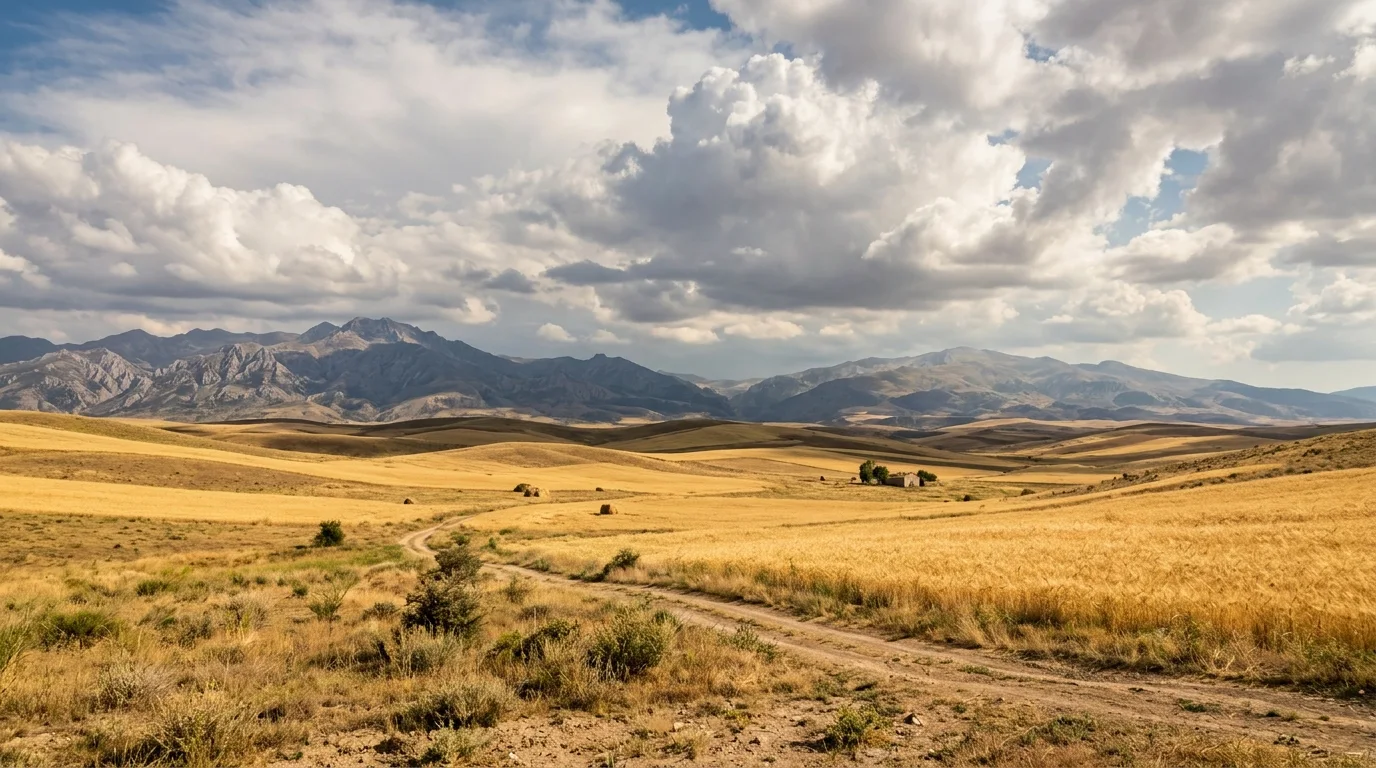
Geographically, Wikipedia mentions the Taşeli Plateau, the Taurus Mountains near Ermenek, and Mount Karadağ, an extinct volcano north of Karaman city. The Ermenek River and the Ermenek and Gezende dams are also named. The Wikipedia article carries a note that it needs more citations, so its figures are treated with caution.
Best time to visit
No fetched source states a best season or describes the climate. Wikivoyage mentions that insect repellent is useful if hiking in Güldere, which suggests planning outdoor visits with that in mind. It also says a hydrofoil to Northern Cyprus runs from May to September, which only matters for travellers continuing there.
How to get there
- By air: Wikivoyage says the nearest airports are Konya and Çukurova (near Tarsus), both with at least daily flights from Istanbul.
- By train: High-speed trains run twice daily from Ankara (about 3 hours) and Istanbul (about 6 hours), via Konya. A regional service runs each morning from Adana (about 6.5 hours). The station is on the north edge of the old town.
- By bus: Karaman is on the D715 between Konya and Mersin. The bus station is about 1 km west of the centre. Buses connect to Istanbul, Ankara, Antalya, Konya and Adana, and southward to Silifke, where you change for a dolmuş to the Taşucu ferry port.
- By sea: From the Taşucu area, Wikivoyage says a hydrofoil to Northern Cyprus runs from May to September three times a week, for foot passengers only, and an overnight car ferry runs year-round. Check the Northern Cyprus listings for current timetables.
Main places to see
Karaman Castle (Hisar). Likely built in the 11th or 12th century, with three concentric ramparts. Most of the old town inside the outer walls was demolished, and the area is now a public park.
Karaman Museum and Hatuniye Medrese. The museum covers regional history from the Stone Age to the Ottoman period, and the adjacent Hatuniye Medrese is an ornately decorated madrasa.
Aktekke Mosque. Built in 1370 and holding tombs of members of Rumi’s family.
Yunus Emre Mosque. Holds the tomb of the poet and Sufi mystic Yunus Emre.
Karaman Ibrahim Bey Mosque. Built in 1433 as part of a complex with a public soup kitchen (imaret).
Binbirkilise. Wikipedia calls it a region around Mount Karadağ about 30 km north of Karaman with Byzantine church ruins, and names the Çeşmeli, Fisandon and Binbir churches. Wikivoyage describes around 50 Byzantine churches, monasteries and cisterns of the 3rd to 8th centuries on the slopes of the volcano.
Manazan caves. About 20 km east, in a limestone gorge, enlarged in the Byzantine period into dwellings and burial chambers.
Incesu Cave. A natural cave of 1,356 m with stalactites, stalagmites and travertine pools, reached by dirt track from Taşkale. Wikipedia mentions storage caves at Taşkale that are probably ancient.
Güldere and Ermenek. Güldere is a village with a scenic canyon, 40 km south. Wikipedia mentions the old houses of Ermenek.
Çatalhöyük. A Stone Age settlement, usually reached via Konya according to Wikivoyage.
Getting around
Wikivoyage says walking reaches all the main points of interest in the city, and dolmuş minibuses run along the main streets. For the caves and canyons outside town you need your own transport, an organised tour, or a taxi.
Practical tips for visitors
- Several business links in the Wikivoyage article are dead or out of date, and hamams, gyms and some bars were reported closed in early 2021, so check current status.
- Bring bug repellent if hiking at Güldere.
- The Aktekke Mosque is listed as open daily and the museum on weekdays, but hours may have changed; confirm locally.
- Mobile coverage: 4G is available from all Turkish carriers.
- The official site offers a 2024 brochure on places to visit in Karaman, and lists tourism themes including faith, history and culture, eco-tourism and cave tourism.
- Plate code
- 70
