
Overview
Ankara is a province and metropolitan municipality in Turkey (plate code 06) and the seat of the national capital. Wikipedia places it mostly in the Central Anatolia region, with a part in the Black Sea region. The province covers 25,632 km2, is divided into 25 districts and had a population of 5,782,285 in 2022, most of whom live in the urban districts of Ankara city.
The city sits on the Central Anatolian plateau. It was a provincial town of under 30,000 people until 1923, when Atatürk made it the capital of the new Republic, after having been an Ottoman city for about 500 years. The site is much older: Hattian, Hittite, Phrygian and Galatian civilisations were based here, and the Greeks called the city Ankyra. In 1920 Mustafa Kemal Atatürk and the Turkish National Movement chose it as the seat of the provisional government and parliament.
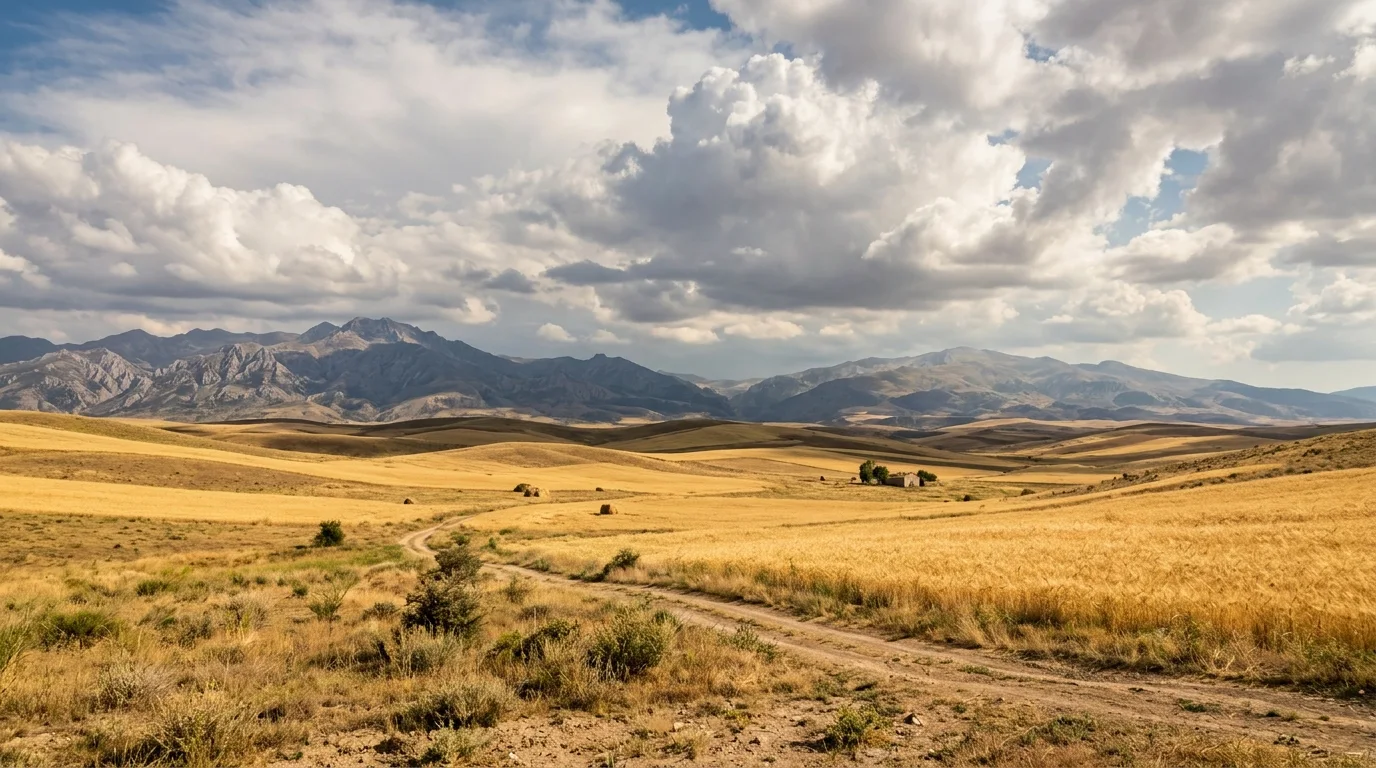
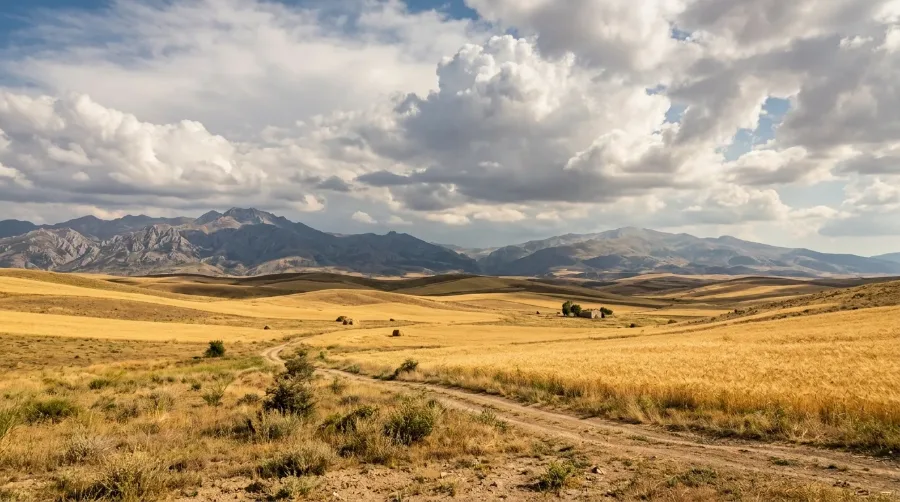
Beyond the city, the north of the province has mountain forests and the south is the dry Konya plain. The province is drained by the Kızılırmak and Sakarya river systems and contains the Sarıyar reservoir and many natural lakes. Lake Tuz (the Salt Lake) lies partly in the Şereflikoçhisar district, and the highest point of the province is Işık Mountain (2,015 m) in the Kızılcahamam district.
Best time to visit
Ankara has a semi-arid, continental climate with hot, dry summers and cold, snowy winters. Summer temperatures regularly exceed 30°C in July and August; humidity is low, but nights can be chilly when a breeze picks up. Most rain falls in spring, often as afternoon showers and thunderstorms. Winters are cold and often snowy, although the snow is rarely heavy.
Wikivoyage considers early autumn the best season, with cold nights but mild, dry days. Rainfall also differs within the province: the north is wetter than the southern plains, with annual precipitation of about 415 mm in Ankara city and 592 mm in Kızılcahamam, against 357 mm in Şereflikoçhisar.
How to get there
- By air: Ankara Esenboğa Airport (ESB) is about 30 km north of the centre. It has fewer international routes than Istanbul, with some direct links to German cities, London Stansted, Paris, Madrid, Central Asia, the Gulf and several Middle Eastern countries. Most other connections go through Istanbul, with roughly hourly flights of about one hour. Airport coaches run from Kızılay and the AŞTİ bus terminal, and EGO city bus route 442 is a slower public alternative. Wikivoyage notes that there are no plans to extend the metro to the airport.
- By high-speed train (YHT): Istanbul is about 4.5 hours away, Konya about 90 minutes and Sivas about 2.5 hours. The main station (Ankara Garı) has a 1930s Art Deco north side used by slower trains and the Başkentray suburban line, and a modern south side used by YHT trains. The nearest metro stop is Ulus, about 500 m away.
- Other trains: Overnight trains run from Istanbul and Izmir, and east towards Diyarbakır, Kars, Erzurum and Tatvan (for Van).
- By bus: Buses from Istanbul leave about every 15 minutes around the clock and take about six hours non-stop; Izmir takes about 8 hours and Adana about 7. The main terminal is AŞTİ (Ankara Intercity Terminal) on Mevlana Boulevard, reached by metro via Kızılay and the Ankaray line. Some services stop at Söğütözü instead.
Main places to see
Anıtkabir. The mausoleum of Atatürk, built in the capital as the national memorial. The approach includes the 262 m Road of Lions and a ceremonial plaza, and the Atatürk and Independence War Museum is on the site. It is also listed among the sights on the official Ankara culture and tourism directorate website.
Ankara Castle (Citadel) and Hamamönü. The citadel has Phrygian origins in the 8th century BC, and visitors can climb one of the towers for views over the city. Streets near the citadel are lined with souvenir shops; Wikivoyage warns that some items sold as antiquities may be fake.
Museum of Anatolian Civilizations. A museum near the citadel covering periods from prehistory through Roman times; it appears in the official list of Ankara museums.
Roman Bath Open-Air Museum. Built around 200 AD under Emperor Caracalla and used for about 500 years.
Temple of Augustus and Column of Julian. In Ulus, only the side walls and an ornate doorway of the temple remain, while the Column of Julian is a 15 m column erected in 362 CE to commemorate a visit by Emperor Julian.
Hacı Bayram Mosque. Built in 1428, with a Sufi tomb that is a pilgrimage site; it is also on the official list.
Arslanhane Mosque. Built in 1290 in Seljuk style. In 2023 it was one of five wooden mosques in Central Anatolia added to the UNESCO World Heritage List, and the official site records the announcement dated 7 December 2023.
Gordion. The Gordion Museum and archaeological site is on the official list, and the same site reports that Gordion was added to the UNESCO World Heritage List in December 2023.
Other sights. Koç Museum in Çengel Han, a caravanserai built in 1523; the Ulucanlar Prison Museum, which opened as a museum in 2011 after the prison closed in 2006; the Museum of the War of Independence in the first parliament building (1920 to 1924); Kocatepe Mosque (built 1967 to 1987); and Lake Mogan, a recreational lake about 20 km south of the centre. The official site also lists Tuz Gölü (Salt Lake) and the Davutoğlan Bird Paradise.
Getting around
- Metro: Several connected lines meet at Kızılay. The main line runs from the north-western suburbs (Sincan, Törekent, Eryaman) through Ulus, Kızılay and Sıhhiye to Çayyolu; M4 runs north to Keçiören; and the Ankaray line runs east to west from Dikimevi through Kızılay to AŞTİ.
- Başkentray: A suburban line of 37 km with 24 stations, all above ground, from Sincan in the west to Kayaş in the east, passing the main station.
- Buses: EGO operates a dense city bus network. Fares cannot be paid in cash, and foreign contactless cards do not reliably work. Wikivoyage recommends a Başkent Kart from a kiosk or metro station, or the EGO Cep’te app. One transfer between bus and metro is allowed within 45 minutes.
- Dolmuş: Minibuses leave from Kızılay and Ulus and are cash only; destinations are shown on a board in the windscreen.
- Taxis: Taxis are yellow with a “Taksi” sign on the roof. Wikivoyage warns of scams such as refusing to start the meter or adding extra airport fees.
- Accessibility: Wikivoyage states that public transport in Ankara offers little provision for travellers with restricted mobility.
Practical tips for visitors
- Carry a translation app. Hotel staff and other service workers are less likely to speak English than in many Western capitals, although students and lecturers often like to practise.
- Bring some cash for dolmuş and some coach services, and do not rely on a foreign contactless card for buses or the metro.
- Many museums close on Mondays or have short weekday hours, and several sites have changed or closed recently, so check current opening days before you go.
- Bring layers outside summer: nights can be cold even on mild days, and winters bring snow.
- Be wary of taxis that quote a fixed price well above the metered fare.
- Plan day trips for the wider province, such as Lake Tuz, Lake Mogan or Gordion, with transport arranged in advance.
- Plate code
- 06
- Best season
- Early autumn (September to October)
